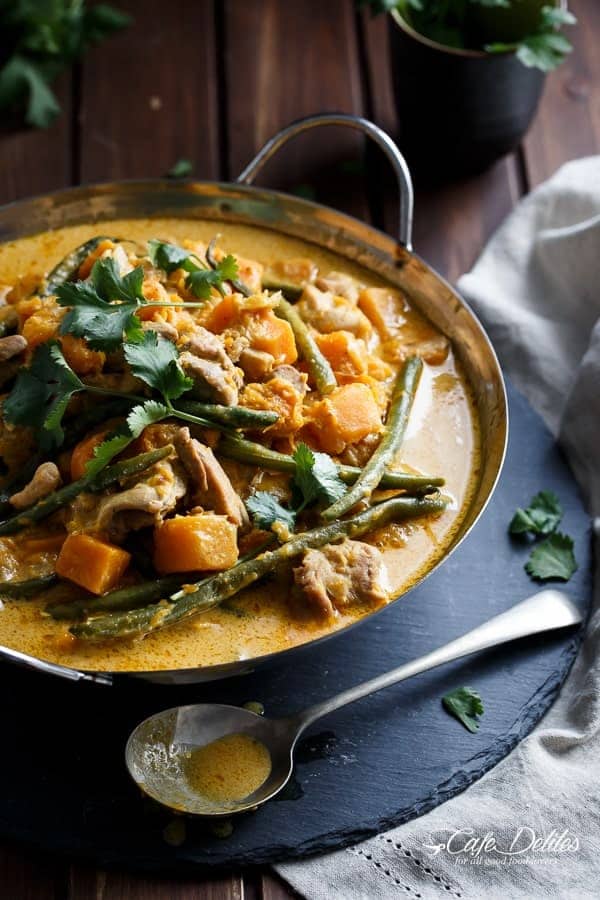
The aroma of a simmering curry has an undeniable power to transform a kitchen into a haven of warmth and comfort. Among the myriad of curry variations, the chicken green bean and butternut squash curry stands out as a true culinary delight, balancing sweet, savory, and often spicy notes into a harmonious symphony. This particular dish, celebrated for its creamy texture and tender ingredients, has become a beloved staple for families worldwide. But what truly defines its character? Often, it comes down to the choice of curry paste – specifically, the mild and mellow Korma versus the vibrant and zesty Thai Red Paste. This guide will delve into the nuances of each, helping you craft the ultimate chicken butternut squash curry tailored to your palate.
The Allure of Chicken Butternut Squash Curry
There’s a reason why the chicken green bean and butternut squash curry has garnered such a loyal following. It's the ultimate comfort food, a dish that nourishes the soul as much as the body. The inherent sweetness of butternut squash, often referred to as pumpkin in some regions, provides a delightful counterpoint to the savory chicken and earthy green beans. When simmered in rich coconut milk, the squash begins to melt, infusing the sauce with its creamy texture and subtle sweetness, making it incredibly appealing even to those who claim not to be curry fans. This dish is remarkably versatile, allowing for additions of various vegetables like carrots, broccoli, or zucchini, and proving that there are no strict rules when it comes to creating your perfect curry.
The foundation of this curry typically involves:
- Tender Chicken Thighs: Skinless chicken thigh fillets, cut into bite-sized pieces, are preferred for their tenderness and rich flavor, holding up beautifully during simmering without drying out.
- Sweet Butternut Squash: Ready-diced butternut squash (or pumpkin) provides the signature sweetness and, when cooked down, contributes to the sauce’s creamy consistency.
- Fresh Green Beans: Trimmed green beans add a fresh crunch and vibrant color, ensuring a balanced texture.
- Aromatic Base: Chopped brown onion, diced carrot, and crushed garlic create a fragrant start, building layers of flavor.
- Creamy Coconut Milk: A can of full-fat coconut milk is essential for that luxurious, creamy sauce.
- Sweetener & Seasoning: A touch of coconut or brown sugar enhances the squash's natural sweetness, while salt is added to taste.
- Fresh Coriander: A garnish of fresh coriander leaves brightens the dish upon serving.
Korma Curry Paste: A Symphony of Mildness and Creaminess
Originating from Mughal cuisine in India, Korma is renowned for its mild, creamy, and aromatic profile. Unlike many other curries, Korma typically eschews fiery heat in favor of a delicate balance of spices and a rich, luxurious texture. It’s a fantastic choice for those who appreciate subtlety and depth of flavor without the intense spice.
What is Korma?
Authentic Korma paste (or its homemade equivalent) is characterized by a blend of fragrant spices such as cardamom, cinnamon, cloves, and coriander, often combined with ground nuts like cashews or almonds, and a touch of yogurt or cream to achieve its signature velvety smoothness. It's an ideal choice for creating a mild & creamy butternut squash chicken curry for fussy eaters or those with sensitive palates.
Flavor Profile for Chicken Butternut Squash Curry with Korma
When Korma curry paste is introduced into our chicken green bean and butternut squash curry, it transforms the dish into an incredibly comforting and approachable meal. The paste’s inherent sweetness and mild spice beautifully complement the natural sweetness of the butternut squash, creating a harmonious blend that is both rich and delicate. The coconut milk further enhances this creaminess, resulting in a sauce that is smooth, velvety, and deeply satisfying.
Enhancing Your Korma Curry: Tips for Success
- Blooming the Paste: Always sauté the Korma paste with your aromatics (onion, garlic, carrot) for a minute or two before adding liquids. This process, known as "blooming," releases the essential oils and maximizes the flavor of the spices.
- Garam Masala Boost: A teaspoon of garam masala, added towards the end of cooking, can deepen the aromatic complexity without adding heat.
- Extra Creaminess: For an even richer Korma, consider stirring in a tablespoon or two of ground cashews or almonds along with the paste, or a dollop of plain yogurt (off the heat) just before serving.
- Sweetness Balance: The coconut sugar helps balance the savory notes and highlights the squash. Adjust to your preference.
Thai Red Curry Paste: A Zesty, Aromatic Kick
Hailing from Thailand, Red Curry paste offers a distinctly different flavor experience. It's known for its vibrant red hue, derived from dried red chilies, and a complex aromatic profile that awakens the senses. While it often implies heat, many commercial Thai red curry pastes come in mild varieties, making them accessible to a broader audience.
What is Thai Red Curry?
Thai Red Curry paste is a powerhouse of flavor, typically featuring ingredients like red chilies, galangal, lemongrass, kaffir lime zest, coriander root, and shrimp paste. This combination creates a savory, spicy, citrusy, and deeply aromatic paste that is incredibly versatile in Thai cuisine.
Flavor Profile for Chicken Butternut Squash Curry with Thai Red Paste
Choosing Thai Red Curry paste for your chicken green bean and butternut squash curry introduces a lively zest and a subtle (or not-so-subtle, depending on your paste) warmth. The aromatic notes of lemongrass and kaffir lime cut through the richness of the coconut milk and the sweetness of the squash, creating a brighter, more invigorating dish. The squash acts as a natural sweetness and creamy buffer, beautifully balancing any heat from the chilies.
Elevating Your Thai Red Curry: Tips for Success
- Bloomin' Spice: Just like with Korma, browning the Thai red curry paste in oil with your aromatics until fragrant is crucial. This step unlocks its full flavor potential.
- Adjusting Heat: If you're sensitive to spice, seek out "mild" Thai red curry paste. Alternatively, start with less paste and add more to taste. The brand of paste can significantly impact the heat level.
- Umami Boost: A splash of fish sauce (nam pla) added during simmering can provide an incredible depth of umami, a hallmark of authentic Thai flavors.
- Fresh Finishers: A squeeze of fresh lime juice and a sprinkle of fresh Thai basil or coriander at the end can brighten the dish and enhance its aromatic qualities.
Crafting Your Perfect Chicken Butternut Squash Curry: Tips & Tricks
Whether you lean towards the mild embrace of Korma or the zesty kick of Thai Red, mastering a few key techniques will ensure your chicken green bean and butternut squash curry is always a triumph.
- Butternut Squash Perfection: You have two main options for the squash. For distinct chunks and a slightly less creamy sauce, cook until just tender. For a beautifully creamy sauce where the squash melts into it, allow it to simmer for an additional 5-10 minutes after it's cooked through. Pre-diced squash is a fantastic time-saver, but peeling and dicing your own ensures maximum freshness.
- The Best Chicken Cut: Chicken thigh fillets are highly recommended for this curry. They remain tender and moist throughout the simmering process, absorbing all the wonderful flavors of the sauce, unlike chicken breast which can dry out.
- Vegetable Versatility: Don't feel limited to just green beans. This curry welcomes a variety of vegetables. Try adding broccoli florets, zucchini slices, snow peas, or even spinach in the last few minutes of cooking for added nutrients and texture.
- Layering Flavors: The process of sautéing the onion and carrot until soft, then browning the chicken, and finally blooming the garlic and curry paste is vital for building a rich flavor base. Don't rush these steps.
- Sweetness and Salt Balance: The tablespoon of coconut or brown sugar helps to round out the flavors and enhance the natural sweetness of the squash. Always taste and adjust salt at the end to ensure perfect seasoning.
- Serving Suggestions: This curry pairs wonderfully with fluffy jasmine or basmati rice, which soaks up the flavorful sauce beautifully. Warm naan bread or roti are also excellent accompaniments for scooping up every last drop.
Ultimately, the choice between Korma and Thai Red paste for your chicken green bean and butternut squash curry comes down to personal preference. Do you crave a dish that is delicately spiced, rich, and mellow, or one that offers a vibrant zest and a warming, complex heat? Both pastes offer a unique and delicious journey, transforming humble ingredients into an extraordinary meal. Experiment with both, adjust the spices to your liking, and discover your own ultimate comfort curry. Happy cooking!
